ZW Vehicle Group---Semi Trailer,Dump Truck,Tractor Truck,Commercial Truck

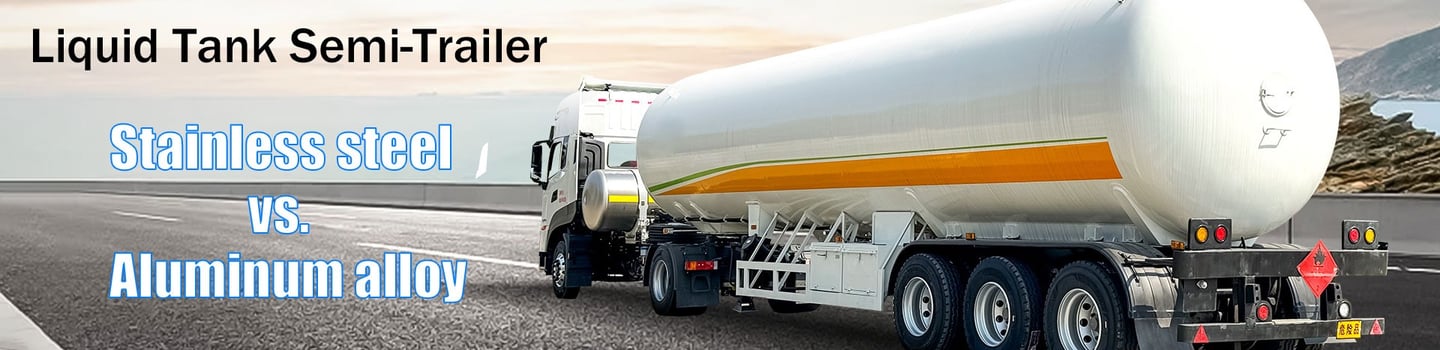
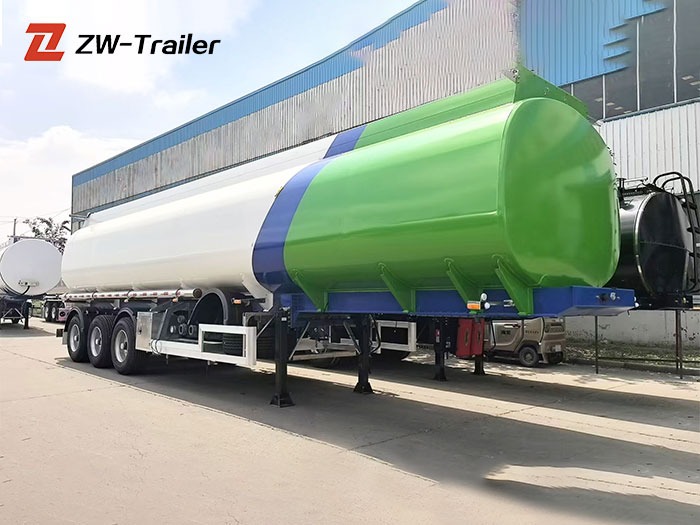
Stainless Steel Tanker Trailer vs. Aluminum Tanker Trailer
How to choose the material for liquid tank semi trailer in business
INDUSTRY NEWS
7/8/20253 min read
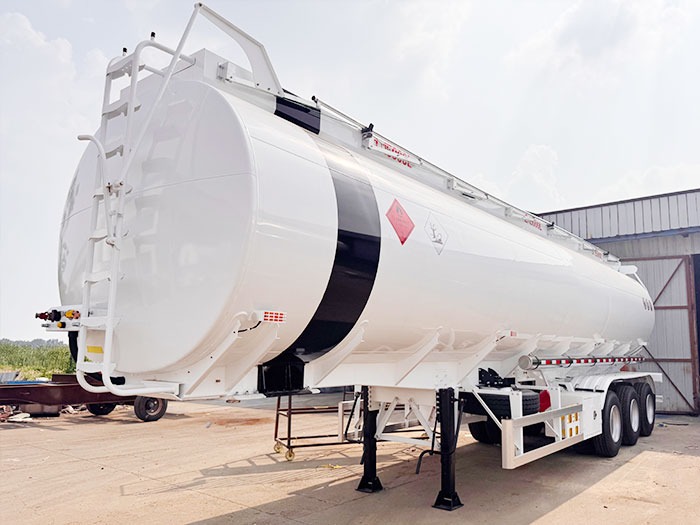
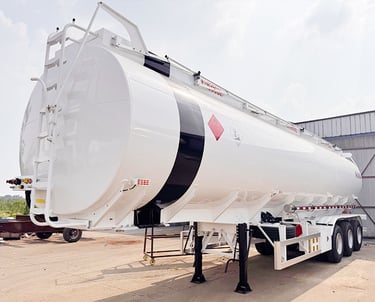
How to Choose the Right Material for a Fuel Tanker Semi‑Trailer
ZW Group -Tanker Trailer Choose Guide
When selecting a liquid tank semi‑trailer for your business, choosing the correct tank material is a critical decision that affects safety, cost, payload, maintenance, and long‑term durability.
Introduction & Why Material Matters
Liquid tank trailers transport various goods—fuel, chemicals, food‑grade liquids, industrial chemicals, water, and more The tank material you choose shapes:
Corrosion resistance and safety for hazardous or food‑grade cargo
Tare weight and payload capacity allowable by regulation
Initial cost versus lifecycle cost
Maintenance needs, cleaning, and hygiene
Compliance with standards (e.g. DOT, ISO, ADR)
Key Factors to Evaluate Before Choosing
Type of liquid: corrosive, acidic, flammable, food‑grade, etc.
Operating terrain and climate: humid/coastal, rough roads
Payload and weight limits: maximize net cargo
Maintenance capability and serviceability
Regulatory requirements: hazmat certifications, food safety
Expected service life and resale/recycling value
Stainless Steel Tanker Trailer: Advantages & Downsides
Pros of Stainless Steel
Superior corrosion resistance: Stainless steel withstands acids, corrosives, and food‑grade applications without need for epoxy or liners, ensuring hygiene and longevity
High durability & fatigue strength: Stands up to heavy loads and harsh terrain with minimal damage risk—ideal for long-distance crude oil, chemical, or industrial use
Longer service life: Can last up to 10 – 15+ years with little maintenance, outperforming aluminum in durability
Cleanability and sanitation: Smooth stainless surfaces enable easier cleaning, necessary in food‑grade or pharmaceutical transport
Cons of Stainless Steel
Heavier weight: Material density reduces payload capacity and increases fuel consumption
Higher initial cost: The upfront investment is significantly greater than aluminum or carbon steel due to material and fabrication costs.
Repair complexity: While highly durable, weld repairs or deep scratch remediation may require expert work.
Aluminum Tanker Trailer: Advantages & Downsides
Pros of Aluminum
Lightweight design: Approximately one-third the weight of stainless, increasing allowable payload and improving fuel efficiency—often saving 7–12% fuel per trip
Lower purchase price: Aluminum trailers cost less upfront, attractive for budget‑constrained operations
Excellent corrosion resistance for non-acidic liquids: Forms a stable oxide layer; non‑magnetic and non‑combustible—safe for oils and fuels
High resale & recyclability: Aluminum retains value at end of life; scraping fetches a premium
Cons of Aluminum
Less fatigue strength: Prone to hairline cracks and material fatigue over time, especially under heavy or abrasive loads
Requires lining or epoxy: For crude oil or chemical transport, aluminum tanks rely on epoxy or internal coatings that degrade, increasing maintenance and repair costs over time
Shorter lifespan: Typical aluminum trailers last about 5 years, approximately half the duration of stainless steel units
Sensitive to chemical exposure: Certain acids, alkalis, or fracking chemicals may accelerate corrosion or wear the lining
Stainless Steel vs. Aluminum
Addressing Common User Doubts
Addressing Common User Doubts
"Can aluminum carry corrosive liquids or acids?"
No — aluminum is vulnerable to acids and alkalis. For such cargo (sulfuric acid, strong bases, solvents), stainless steel or carbon steel with linings is preferred
Is stainless steel always better?
Not necessarily. If you’re hauling neutral liquids (gasoline, diesel) on highways, aluminum’s weight and cost advantages make it more economical. Stainless is best when corrosion resistance, durability, and service life are top priorities.
What about regulations and sanitation?
Stainless steel is widely used for food‑grade milk, juice, wine, or potable water transport because of hygienic and cleanability advantages
How thick should the tank walls be?
Typical fuel trailer thickness: 14‑gauge stainless steel, 1/8‑inch aluminum. Carbon steel tanks use 12‑gauge in many designs
Which climate is better for which material?
In humid or coastal areas, stainless steel fares better over time due to superior corrosion resistance. Aluminum may oxidize or pit faster in such conditions, or coating may degrade.
How to Maintenance & Care Tips about Tanker Trailer?
Stainless Steel Tankers:
Clean regularly using mild, non‑abrasive agents.
Inspect weld seams, compartments, valves for dents or crevice corrosion.
Address scratches promptly — passivation can be compromised if exposed.
Maintain seals, valves, and structural inspections per manufacturer schedule
Aluminum Semi‑Trailers:
Use soft cleaners to avoid scratching the oxide layer.
Regular inspections for fatigue cracks and coating failures.
Keep liners or epoxy intact; recoat as needed every few years.
Repair dents promptly to avoid stress points and structural degradation
Buy Tanker Trailer Decision Guide: Choosing the Right Material
Use Stainless Steel if:
Transporting corrosive, acidic, or high‑purity/food‑grade liquids.
Operating in rugged terrain, challenging climates, or long‑distance routes.
You prioritize minimal maintenance and extended service life.
You require hygienic surfaces or easy sanitization.
Use Aluminum if:
Hauling neutral fuels or oils on mostly highway routes.
You need to maximize payload, minimize fuel cost, or meet weight limits.
Initial cost and ROI within 3–5 years are important.
You can commit to regular liner maintenance and inspections.
Conclusion and Final Recommendation
Choosing between a Stainless Steel Tanker Trailer and an Aluminum Tanker Trailer depends on your cargo profile, operational terrain, budget horizon, maintenance capability, and regulatory requirements.
Stainless steel offers unmatched durability and corrosion resistance—ideal for harsh or corrosive environments and long‑term use.
Aluminum shines in fuel efficiency, lighter tare weight, higher payload, and lower upfront cost, especially in neutral‑liquid applications.
Get in touch

ZW VEHICLE Group Co., Ltd.
Leading manufacturer of high-quality semi-trailers and truck supplier
Wehcat/Whatsapp: +86 15650317860
Copyright © 2025.Shandong ZW Vehicle Group Co., Ltd. .
Add:Room2609,Building 6,Greenland Center,Jinan,Shandong ,China
Product
Hot Sale Vehicle